More
Сhoose
  • Client: Verify Dynamics
  • Date: 2023 — Present
  • Role: Product Designer & Frontend Engineer
  • Stack React · TypeScript · Vite · MUI · JSON Forms

Simplicity in dynamic event-driven workflows

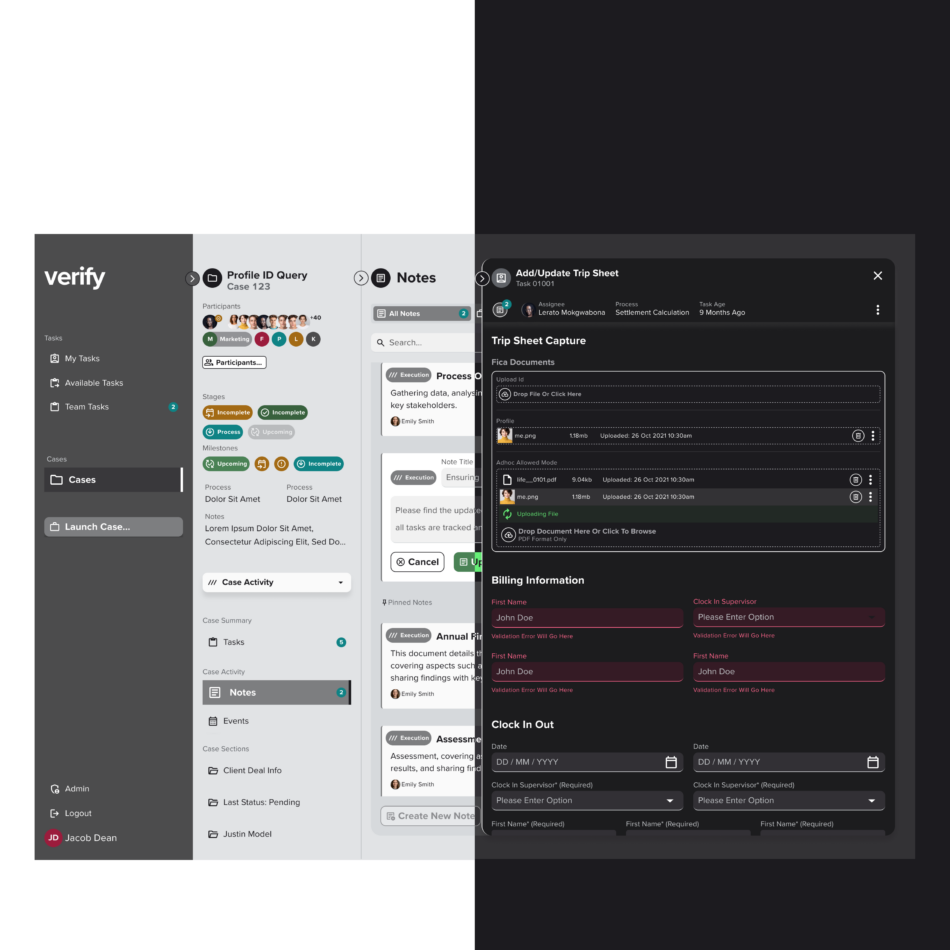
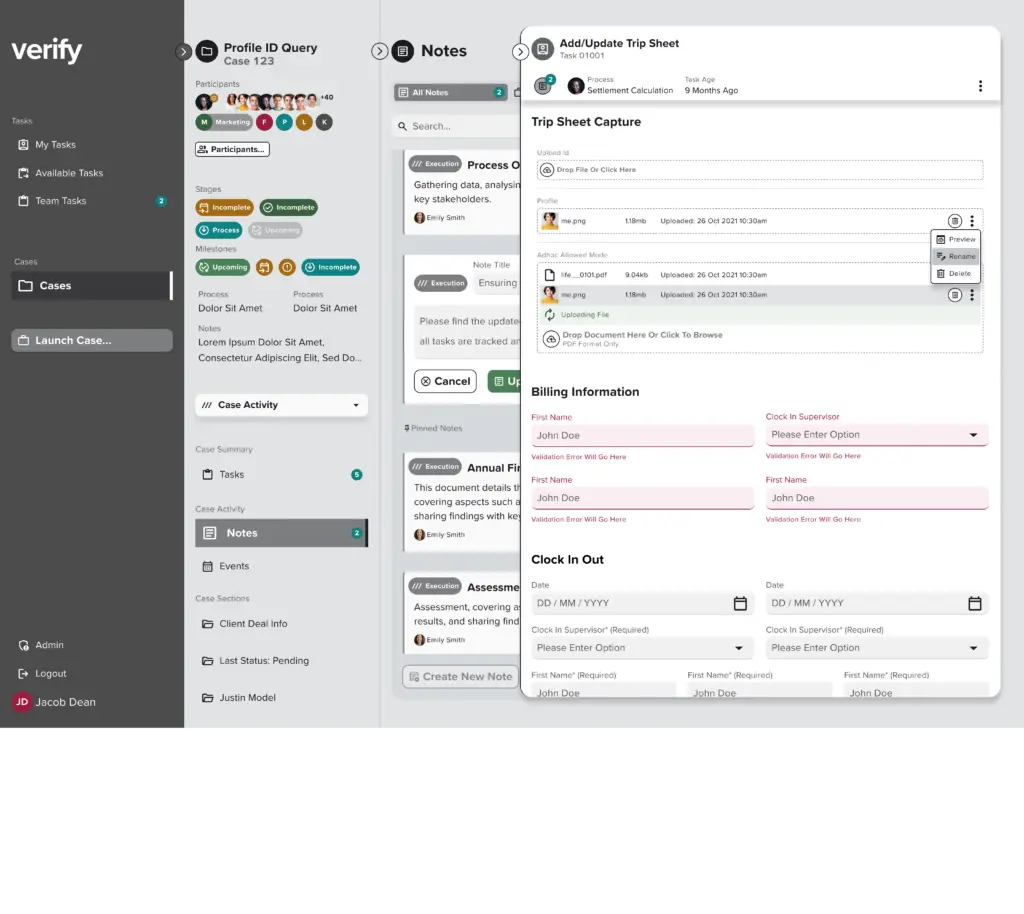
The Process Factory App is an enterprise-grade task management platform built around Case Management Model and Notation (CMMN), designed to support dynamic, event-driven workflows in complex operational environments. I work across design and frontend engineering on the product — React, TypeScript and Vite in an Nx monorepo of 50+ domain libraries, with a custom Material UI design system and a JSON Forms engine driving its dynamic case forms.
The Problem & Goal

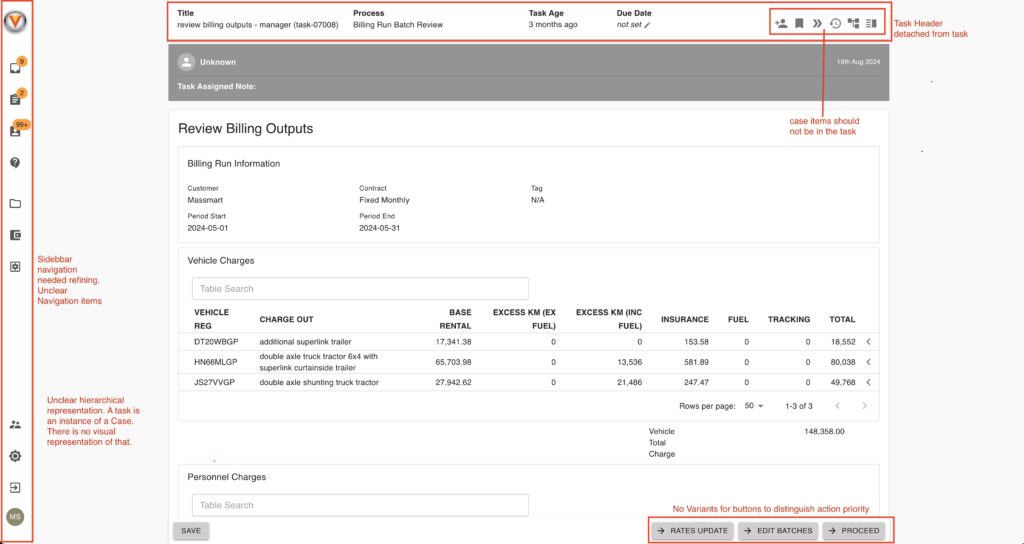
The original interface was functional but difficult to navigate, slowing teams down and increasing the likelihood of user error. The client needed a more intuitive, user-friendly interface to manage their custom CMMN-based workflows, improve clarity, and reduce friction.

Process
* Audited the existing interface and identified key usability issues

* Mapped core workflows and designed cleaner, more intuitive UI patterns

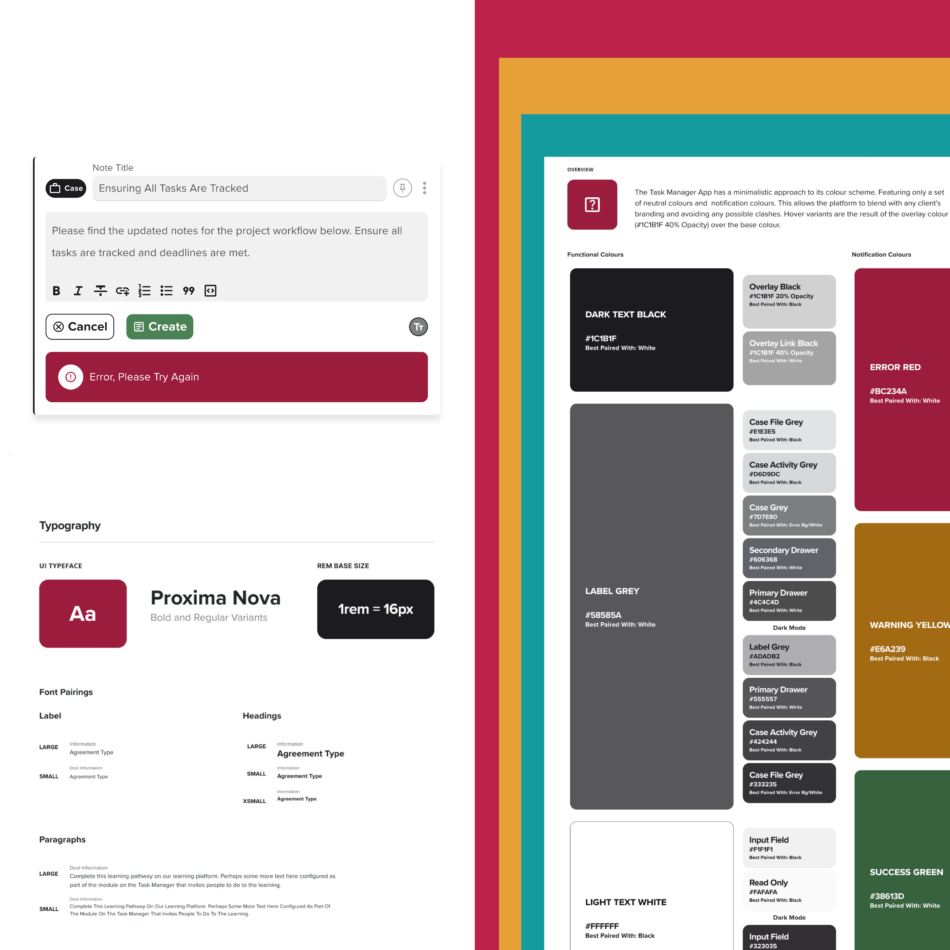
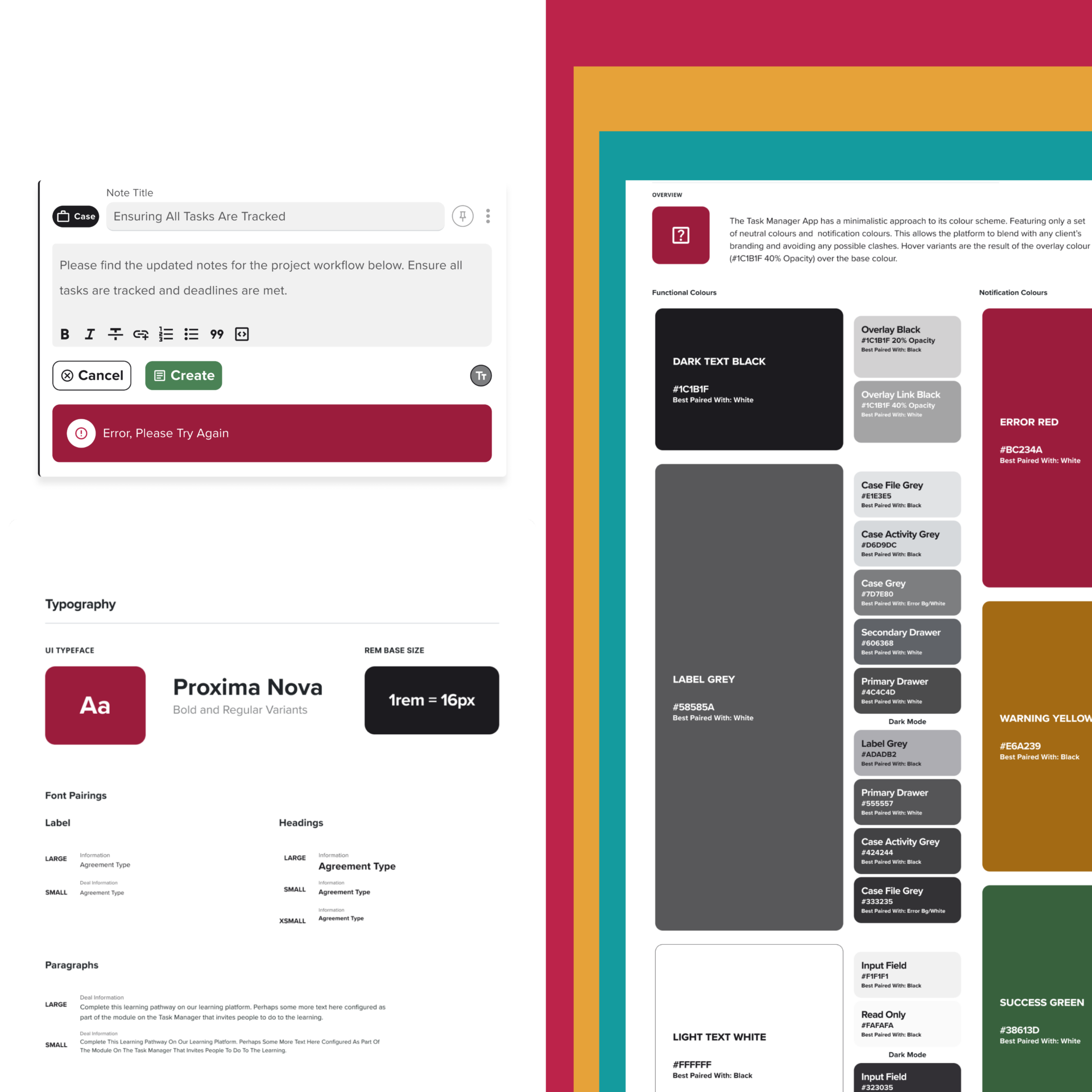
* Introduced a consistent design language through a custom design system built on Material UI

* Developed interactive frontend components and integrated them with backend APIs using JSON Forms (originally on Redux Saga; the data layer now runs on TanStack Query)

* Documented designs and worked in iterative cycles with product and dev teams

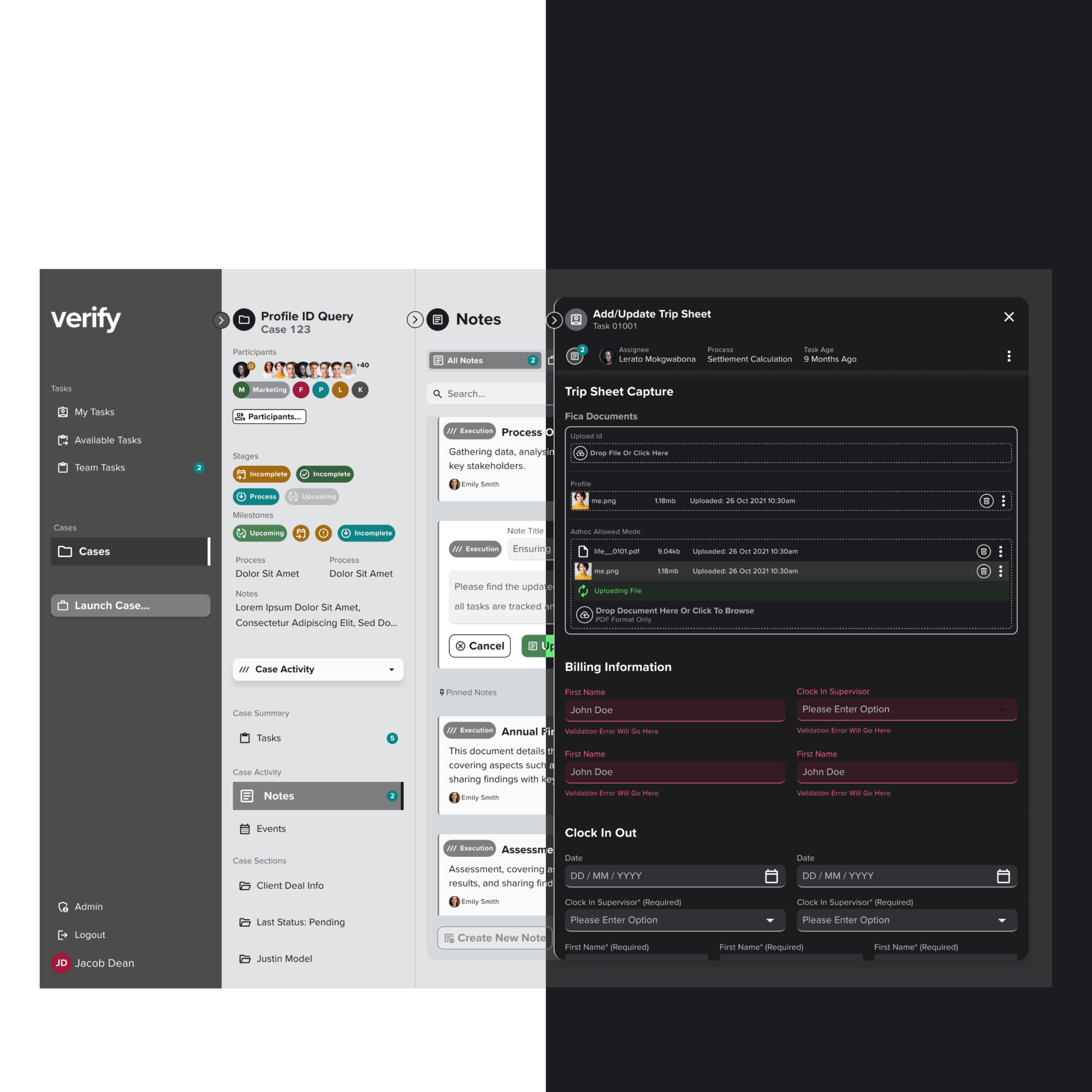
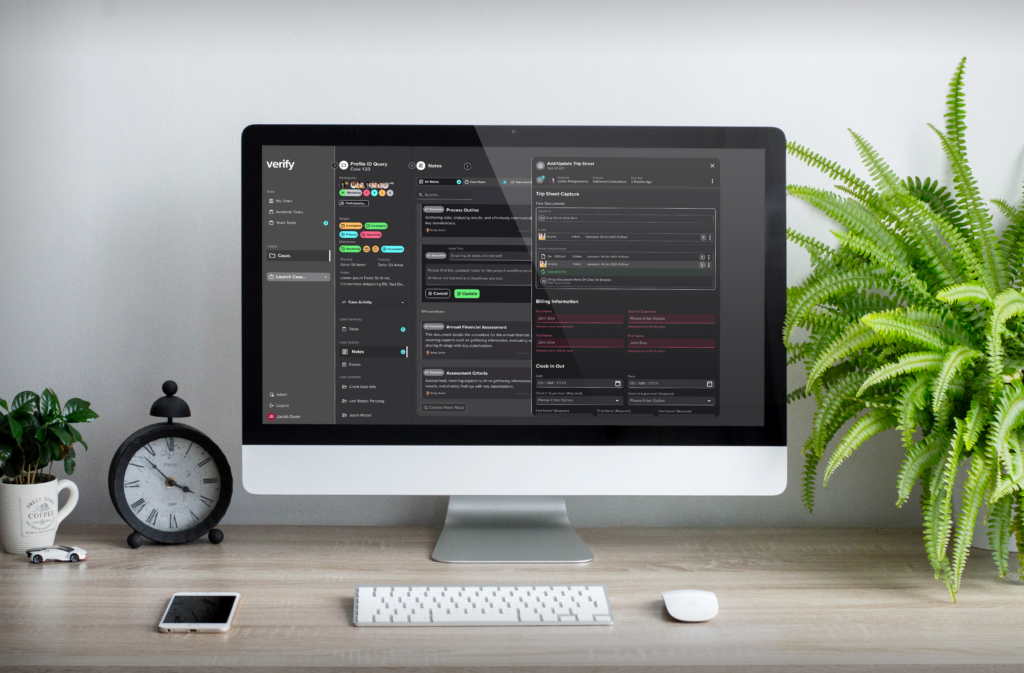
dark mode mock up

The redesigned interface made case-based workflows clearer to navigate and faster to work in, and gave operations teams one consistent visual language across the product. The frontend now spans 50+ Nx workspace libraries and roughly 30 custom JSON Forms renderers, with the design system keeping new screens consistent as the platform grows.

The hard part: CMMN cases don’t have fixed screens — tasks and their forms are defined at runtime. Off-the-shelf form UIs couldn’t express that, so the UI is built as a custom renderer suite on JSON Forms, with the design system layered over Material UI rather than fighting it: MUI provides the accessible primitives, and the system layer enforces the product’s own language. Getting that boundary right — what belongs to MUI and what belongs to us — is what keeps 50+ libraries looking and behaving like one product.

Looking to make your mark? I'll help you turn
your project into a success story.

Ready to bring your ideas to life?
I'm here to help